
Focus on Majors: Environmental Studies
If you care about climate change, clean water, protecting wildlife, or creating healthier communities, environmental majors offer real ways to turn that concern into a career. Students interested in preserving natural resources and addressing environmental challenges often find themselves choosing between two closely related majors: environmental science and environmental studies. While the names sound similar, the focus of each program is different, and the best fit depends on how you want to make an impact.
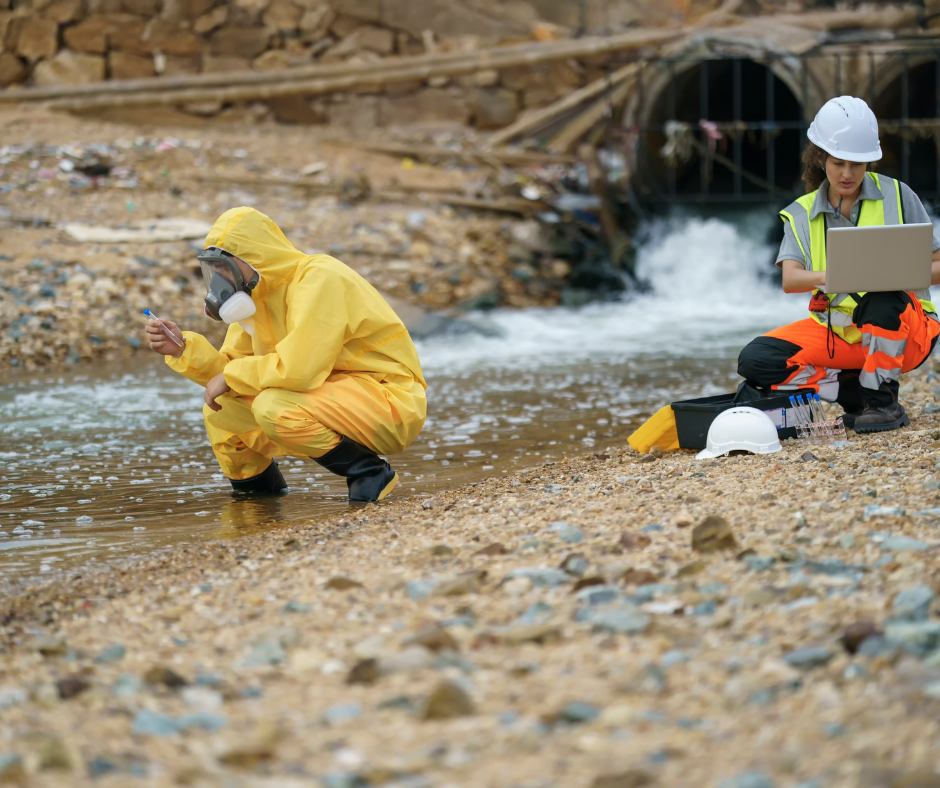
Environmental science programs are grounded in the natural sciences and focus on understanding how the physical world works. Students study biology, chemistry, physics, and earth sciences to investigate environmental problems and develop solutions. Coursework includes classes in ecology, geology, hydrology, atmospheric science, and environmental chemistry, combined with labs and fieldwork that provide hands-on experience. Because much of this work involves collecting and interpreting data, students also build strong technical skills, learning to use computer programs for data analysis, digital mapping, and geographic information systems (GIS).
Graduates work as environmental consultants, water quality specialists, wildlife biologists, conservation scientists, and sustainability coordinators. Entry-level positions are available with a bachelor's degree, though many research or academic roles require a master's degree or Ph.D.
Environmental studies programs take a broader, more interdisciplinary approach. In addition to studying natural sciences such as biology and geology, students explore social sciences and humanities, focusing on how human behavior, policy, economics, and culture shape environmental issues. Students might analyze climate policy, study land-use planning, examine environmental justice, or explore the ethical questions behind conservation and sustainability.
Coursework often includes environmental policy, energy systems, environmental law, economics, ethics, and urban planning. Because programs vary widely by college, students should carefully review each school's course catalog. Some programs lean heavily toward policy and advocacy, while others balance social science with applied environmental work.
Graduates pursue careers as environmental policy analysts, park rangers, urban planners, environmental educators, nonprofit program directors, and sustainability managers. Some positions are available with a bachelor's degree, while graduate study opens doors to specialized roles like environmental law or policy leadership.
Many students pursue double majors or combined degrees that blend both fields, allowing them to develop scientific expertise alongside policy and communication skills. This combination can be particularly valuable in careers requiring both technical knowledge and the ability to work with communities or policymakers.
Students interested in environmental majors can start preparing in high school by taking biology, chemistry, physics, environmental science, and math courses, including calculus or statistics. AP Environmental Science or AP Human Geography can provide valuable exposure. Volunteering with local conservation groups, participating in outdoor education programs, joining environmental clubs, or completing a science research project can help students explore their interests and build relevant experience.
Whether you're drawn to hands-on scientific research or to shaping environmental solutions through policy and social change, environmental science and environmental studies both offer meaningful ways to make a difference. The choice comes down to whether you want to focus on the technical side of understanding environmental systems or the human side of creating change through policy, education, and advocacy.
Career Paths for Environmental Science/ Studies Majors
Agricultural agent
Animal scientist
Aquarium or science museum director
Biochemist
Ecologist
Environmental activist
Environmental attorney
Environmental consultant
Environmental planner
Environmental researcher
Environmental scientist
Forest ranger
Government regulator
Natural resource specialist
Outdoor adventure educator
Pollution engineer
Range manager
Soil scientist
State park resource ecologist
Toxicologist
Waste management technician
Wildlife biologist