
Focus On Majors: Crop and Soil Sciences
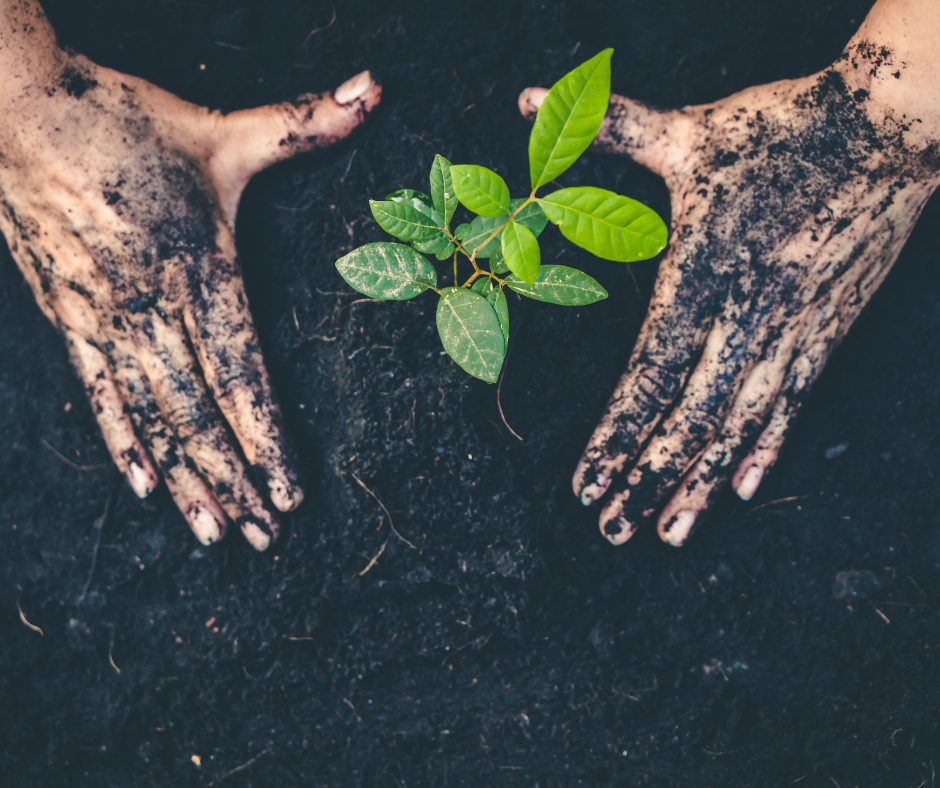
Most students hear the words crop and soil science and picture farms and tractors. But the field is far broader and more interesting than many people realize. It connects to professional sports, environmental sustainability, space exploration, and even the foods and drinks people enjoy every day.
Take professional sports. When millions of people watch the World Cup, the focus is on the athletes and the goals scored. Few viewers think about the field itself. Yet the playing surface is the result of decades of research. At Michigan State University, more than 70 years of turfgrass research will help shape the playing surfaces used during the 2026 FIFA World Cup.
In fact, many of the people who manage fields for major stadiums, golf courses, and international sporting events studied turfgrass science in college. Programs like the Center for Sports Surface Research at Penn State train students who go on to maintain fields used by professional teams.
Students who major in crop and soil science take a mix of biology, chemistry, and environmental science courses. Classes often include topics such as plant physiology, soil fertility, plant genetics, crop production systems, and soil microbiology. Students learn how nutrients move through soil, how plants respond to stress, and how different growing conditions affect crops and turfgrass. Many programs also include hands-on labs, greenhouse experiments, and research farms where students analyze soil samples or study plant growth in real-world conditions.
Students interested in environmental issues may find this field especially appealing. Researchers at the University of California, Davis developed UC Verde Buffalo Grass, a drought-tolerant turfgrass designed specifically for hot, dry climates.
Crop scientists are also working on one of the biggest challenges facing the planet: how to grow enough food for a growing population while protecting natural resources. Researchers at universities such as Cornell and Texas A&M are studying plant genetics to develop crops that can tolerate heat, resist pests, and grow with less water and fertilizer.
The field even reaches beyond Earth. Scientists working with NASA have developed systems that allow vegetables like lettuce to grow on the International Space Station. Universities such as the University of Arizona are studying how crops could be grown in controlled environments for long-duration space missions. The same research is now being used on Earth to support indoor agriculture and vertical farming.
Students who succeed in this major are often curious about how the natural world works and enjoy applying science to real-world problems. Strong observation skills, comfort working with scientific data, and an interest in environmental systems are helpful. Math is used in the field, usually in statistics or basic data analysis, but students do not need to be advanced mathematicians.
In other words, crop and soil science isn’t just about agriculture. It’s about understanding how plants grow, how soil functions, and how science can improve the world around us. For students who enjoy biology, environmental science, sustainability, or hands-on science, it can lead to careers that influence everything from sports fields to food systems to the future of farming on Earth and possibly beyond.
Career Paths for Crop and Soil Science Majors
Sports Turf Manager
Plant Breeder / Geneticist
Soil Scientist / Environmental Consultant
Controlled Environment Agriculture Specialist
Agricultural Data Scientist
Seed or Crop Technology Developer
Golf Course Superintendent
Food Systems and Sustainability Analyst
Agronomist
Soil Conservationist
Precision Agriculture Specialist
Plant Pathologist
Sustainable Agriculture Consultant
Urban Agriculture Manager
Crop Production Manager
Horticultural Scientist